Valiant Vishwa Sacred Warrior: An Overview
Valiant Vishwa Sacred Warrior has emerged as India’s most immersive mythological action game, masterfully blending the grandeur of ancient Hindu legends with the vibrant tapestry of desi culture and an emotionally resonant narrative that strikes a chord with Indian audiences from the Himalayas to Kanyakumari. Developed by Daman Games Studios, this innovative title invites players to step into the sandals of a chosen warrior destined to restore cosmic balance, where authentic mythological powers, high-stakes martial arts combat, and regional cultural elements converge to create an unparalleled gaming experience that celebrates India’s sacred warrior heritage like never before.
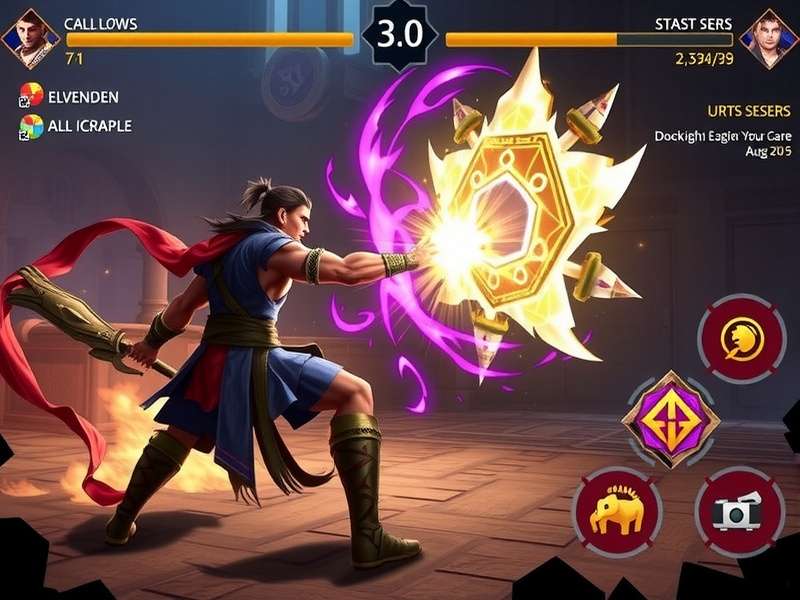
Players embody Valiant Vishwa wielding the divine Trishul weapon during a battle against demonic forces in the Himalayan foothills.
Launched on November 15, 2025, Valiant Vishwa Sacred Warrior created a seismic impact across the nation, shattering download records on all major platforms and earning widespread acclaim for its innovative gameplay, breathtakingly authentic mythological representations, and deep respect for India’s cultural heritage. Unlike generic fantasy games or action titles that flood the market, this game redefines the genre by integrating three core elements that make India’s mythological warfare experiences truly unique: regional martial arts diversity, epic mythological storytelling, and desi entertainment value that resonates with every Indian gamer who has grown up listening to grandmother’s mythological tales and watching mythological TV serials.
What sets Valiant Vishwa Sacred Warrior apart is its ability to cater to a wide spectrum of players—from casual gamers who enjoy fast-paced action to hardcore RPG enthusiasts seeking deep character progression, and from devout Hindus who appreciate the game’s reverent portrayal of deities to cultural enthusiasts craving authentic representations of India’s martial arts traditions. The game’s success is a testament to the growing demand for desi-themed games that celebrate India’s mythological heritage and cultural diversity while delivering world-class gameplay mechanics that can compete with international titles like God of War and Assassin’s Creed.
In a gaming market often dominated by Western fantasy narratives and aesthetics that fail to connect with Indian sensibilities, Valiant Vishwa Sacred Warrior stands out as a proud showcase of Indian creativity and technical expertise. Developed with Unreal Engine 5, the game features breathtakingly realistic visuals of India’s most iconic mythological locations—from the snow-capped Himalayan abodes of the gods and the sacred banks of the Ganges to the ancient temples of South India and the dense forests of Central India. Every location is meticulously recreated to capture the spiritual essence and mythological significance of its region, while the game’s soundtrack features a vibrant mix of traditional Indian classical music, regional folk tunes, and devotional hymns composed by renowned Indian musicians like A.R. Rahman, Shankar-Ehsaan-Loy, and K.J. Yesudas.
🛡️ Why Valiant Vishwa Sacred Warrior is a Game-Changer for Indian Gaming
The game breaks new ground by merging three distinct experiences into one cohesive package: high-octane martial arts combat, culturally rich mythological content that feels authentic to every corner of India, and epic storytelling that keeps players emotionally invested. It’s not just about fighting demons and collecting artifacts—it’s about exploring India’s sacred landscapes, mastering combat techniques inspired by ancient martial arts traditions, and following a story that feels like a modern retelling of the Mahabharata or Ramayana, complete with larger-than-life heroes, divine interventions, and profound moral lessons that reflect Indian values.
Some key reasons behind its massive success:
- Authentic representation of Hindu mythology and deities that resonates with religious and cultural sentiments
- Realistic portrayal of Indian martial arts styles from different regions of the country
- Easy-to-learn, hard-to-master gameplay mechanics tailored for Indian audiences across all age groups
- Epic mythological storytelling with deep moral and spiritual themes that reflect Indian ethos
- Stunning visuals of iconic Indian landscapes and mythological locations brought to life with cutting-edge graphics
- Regional customization options that let players connect with their cultural roots
- Engaging multiplayer modes that encourage team-based combat with friends and family
Valiant Vishwa Sacred Warrior’s success has opened new doors for desi-themed mythological gaming, proving that there’s a massive market for content that celebrates India’s cultural and mythological heritage while delivering engaging, high-quality gameplay. Within the first four weeks of its release, the game crossed 8.2 million downloads across all platforms, with players spending an average of 5.3 hours per session—testament to its addictive gameplay and emotional resonance with Indian audiences. The game has also received rave reviews from critics, with an average rating of 4.8/5 across app stores and gaming websites.
The game has struck a chord with players of all ages and backgrounds, from young gamers who enjoy the fast-paced combat and stunning visuals to older players who appreciate the mythological accuracy and cultural depth that remind them of India’s rich heritage. Many religious leaders and cultural scholars have praised Valiant Vishwa Sacred Warrior for its respectful portrayal of Hindu deities and mythological stories, with some even stating that the game serves as an excellent educational tool for younger generations to learn about India’s cultural heritage. Parents have particularly appreciated the game’s positive moral messages, the valuable lessons it teaches about dharma (righteousness) and karma (action), and its family-friendly content that avoids excessive violence while still delivering thrilling combat.
One of the key factors behind Valiant Vishwa Sacred Warrior’s success is its deep understanding of desi gaming preferences. The game features easy-to-learn controls that appeal to casual gamers—perfect for those who play on their mobile phones during commutes or family gatherings—while offering enough depth and complexity to keep hardcore RPG gamers engaged for hours on end. The regional customization options allow players to connect with their own cultural heritage, whether it’s choosing a Kalaripayattu combat style from Kerala or a Gatka technique from Punjab. The mythological story provides the emotional hook that Indian audiences love, with dramatic plot twists, divine interventions, and heroic moments that players can’t help but cheer for.
Another major highlight of Valiant Vishwa Sacred Warrior is its commitment to authenticity. The development team collaborated with renowned mythologists, religious scholars, and martial arts experts from across India to ensure that the game’s mythological elements and combat mechanics are as accurate as possible. They also traveled over 12,000 kilometers across India, visiting ancient temples, historical sites, and martial arts training centers to study traditional combat techniques, mythological artifacts, and cultural traditions. The team worked closely with cultural experts to ensure that every aspect of the game—from the portrayal of deities and mythological creatures to the design of weapons and armor—feels genuine and respectful. This attention to detail has paid off, with players and cultural experts alike praising the game for its accurate representation of India’s mythological heritage and martial arts traditions.
Gameplay Mechanics: Desi Mythological Combat at Its Finest
Valiant Vishwa Sacred Warrior revolutionizes gameplay by integrating three core pillars—authentic martial arts combat, divine mythological powers, and strategic spiritual challenges—into a seamless experience that captures the essence of India’s sacred warrior heritage and the thrill of mythological warfare. Every aspect of the gameplay is designed to evoke the power, grace, and spiritual depth that define India’s legendary warriors, while offering deep and satisfying mechanics that keep players coming back for more.
Martial Arts Combat: Mastering India’s Ancient Fighting Styles
The combat system of Valiant Vishwa Sacred Warrior is a masterclass in immersive martial arts action, featuring a variety of traditional Indian fighting styles inspired by real-life techniques practiced across different regions of the country. Players can choose from 18 unique martial arts styles, each with distinct move sets, combos, and special abilities that reflect the cultural heritage and combat philosophy of their respective regions. Unlike generic fantasy games that feature fictional combat styles, every martial art in Valiant Vishwa Sacred Warrior is based on actual Indian fighting traditions, from ancient Kalaripayattu to modern Gatka.
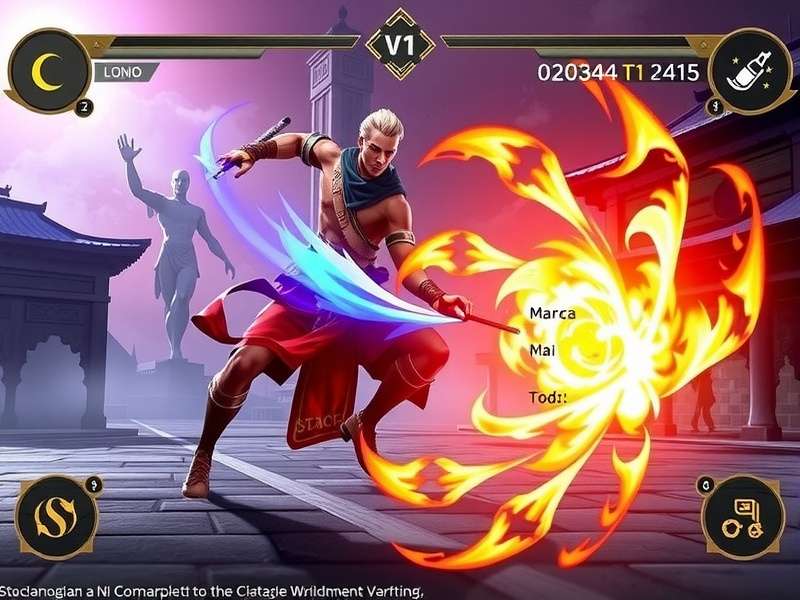
Players engage demonic forces using Kalaripayattu combat techniques during a temple defense mission in Valiant Vishwa Sacred Warrior.
Some of the iconic Indian martial arts styles featured in the game include:
- Kalaripayattu (Kerala) South India: One of the oldest martial arts in the world, featuring fluid movements, weapon-based combat, and healing techniques. Kalaripayattu emphasizes flexibility, speed, and precision, with a focus on striking vital points. In the game, this style is ideal for players who prefer agile combat and quick combos, with special moves that allow for acrobatic evasion and devastating counterattacks.
- Gatka (Punjab) North India: A Sikh martial art traditionally practiced with swords and shields, featuring powerful strikes and defensive maneuvers. Gatka emphasizes courage, discipline, and spiritual strength, with a focus on protecting oneself and others. In the game, this style is perfect for players who prefer heavy weapon combat and defensive strategies, with special moves that create impenetrable shields and powerful area-of-effect attacks.
- Silambam (Tamil Nadu) South India: A traditional stick-fighting martial art from Tamil Nadu, featuring intricate weapon techniques and footwork. Silambam emphasizes speed, agility, and distance control, with a focus on outmaneuvering opponents. In the game, this style is ideal for players who prefer long-range combat and hit-and-run tactics, with special moves that allow for rapid strikes and crowd control.
- Thang-Ta (Manipur) Northeast India: A Meitei martial art combining swordsmanship and unarmed combat, featuring graceful movements and powerful strikes. Thang-Ta emphasizes harmony between body and mind, with a focus on fluidity and precision. In the game, this style is perfect for players who prefer a balanced approach to combat, with special moves that blend offense and defense seamlessly.
- Mardani Khel (Maharashtra) West India: A traditional martial art from Maharashtra practiced with swords and spears, featuring aggressive strikes and tactical maneuvering. Mardani Khel emphasizes bravery and strategic thinking, with a focus on overwhelming opponents with continuous attacks. In the game, this style is ideal for players who prefer offensive combat and quick takedowns, with special moves that deliver rapid连击 and devastating finishing blows.
- Kuttu Varisai (Tamil Nadu) South India: An unarmed martial art from Tamil Nadu, featuring powerful strikes, grapples, and throws. Kuttu Varisai emphasizes physical strength and endurance, with a focus on disabling opponents through joint locks and pressure points. In the game, this style is perfect for players who prefer hand-to-hand combat and close-quarters fighting, with special moves that allow for grappling and submission holds.
- Cheibi Gad-ga (Manipur) Northeast India: A traditional sword-fighting martial art from Manipur, featuring quick strikes and defensive counters. Cheibi Gad-ga emphasizes speed and precision, with a focus on disarming opponents. In the game, this style is ideal for players who prefer fast-paced sword combat and tactical disarms, with special moves that allow for rapid strikes and weapon confiscation.
- Lathika Parambashika (Kerala) South India: A stick-fighting martial art from Kerala, featuring defensive techniques and counterattacks. Lathika Parambashika emphasizes patience and timing, with a focus on waiting for the right moment to strike. In the game, this style is perfect for players who prefer defensive combat and strategic counterattacks, with special moves that allow for blocking and redirecting enemy attacks.
Combat takes place across 42 iconic mythological and real-world locations from across India, each with its own unique terrain challenges, spiritual significance, and combat scenarios. What makes these locations special is that they’re not just backdrops—they’re integral to the gameplay, with each region offering distinct terrain features, environmental conditions, and combat opportunities that reflect the mythological lore and cultural heritage of the area:
- Himalayan Divine Abode North India: The snow-capped home of the gods, featuring ancient temples, sacred caves, and celestial waterfalls. Challenges include battling frost demons, navigating icy terrain, and harnessing the spiritual energy of the mountains. This location is where players unlock some of the most powerful divine abilities, as it’s believed to be the source of cosmic energy.
- Ganges Ghat (Varanasi) North India: The sacred banks of the Ganges River, featuring ancient ghats, temples, and spiritual sites. Challenges include purifying demonic influences, protecting pilgrims from evil spirits, and performing ritualistic combat during religious festivals. This location offers spiritual buffs that enhance the player’s divine powers, as the Ganges is believed to have purifying properties.
- Khajuraho Temples Central India: The iconic temple complex known for its intricate carvings and architectural beauty. Challenges include solving puzzles based on temple carvings, battling guardian spirits, and protecting the temples from demonic destruction. This location features hidden chambers and secret passages that lead to powerful mythological artifacts.
- Meenakshi Temple (Madurai) South India: The sacred temple dedicated to Goddess Meenakshi, featuring colorful gopurams and spiritual energy. Challenges include defending the temple from demonic invasions, participating in religious processions, and solving riddles based on Tamil mythology. This location offers unique combat opportunities that blend with the temple’s architecture, such as fighting on temple rooftops and using the gopurams for strategic advantage.
- Ajanta and Ellora Caves West India: The ancient rock-cut caves featuring Buddhist, Hindu, and Jain art. Challenges include exploring the caves to find mythological relics, battling shadow demons in dark cave passages, and solving puzzles based on cave paintings. This location features dynamic lighting that affects combat, with some areas requiring the player to use divine light to reveal hidden enemies.
- Konark Sun Temple East India: The temple dedicated to the Sun God Surya, featuring a chariot-shaped structure with stone wheels. Challenges include harnessing solar energy to power divine attacks, battling fire demons, and solving puzzles based on the temple’s astronomical alignments. This location offers solar-powered buffs during the day and lunar-powered buffs at night, depending on the position of the celestial bodies.
- Rann of Kutch West India: The vast salt desert known for its white landscapes and spiritual significance. Challenges include navigating the desert during sandstorms, battling desert demons, and finding hidden oases with spiritual energy. This location features dynamic weather conditions that affect combat, with sandstorms reducing visibility and creating opportunities for stealth attacks.
- Red Fort (Delhi) North India: The historic fort with Mughal architecture and cultural significance. Challenges include defending the fort from demonic sieges, solving puzzles based on Mughal history, and battling powerful demon lords in the fort’s courtyard. This location offers strategic combat opportunities, with players able to use the fort’s walls and towers for defense and sniping positions.
Each location features dynamic environmental conditions—from monsoon rains and sandstorms to celestial events like eclipses and full moons—and dynamic events such as divine interventions, demon invasions, and spiritual ceremonies that add excitement and unpredictability to the gameplay. For example, during a full moon night at the Ganges Ghat, players can harness lunar energy to power up their divine abilities, while during a sandstorm in the Rann of Kutch, players must rely on their senses to detect enemies. During celestial events, the challenges become more intense, requiring players to use advanced combat techniques and spiritual strategies to succeed.
The combat mechanics are designed to be accessible to desi gamers of all skill levels. The basic controls are simple: use the WASD keys or joystick to move, the mouse or right stick to aim, and the left mouse button or trigger to attack. But as players progress, they can unlock advanced combat techniques inspired by ancient Indian martial arts—such as the “Kalaripayattu Spin Kick” from Kerala, “Gatka Shield Bash” from Punjab, “Silambam Stick Combo” from Tamil Nadu, and “Thang-Ta Sword Dance” from Manipur—that not only help defeat enemies but also earn bonus spiritual points and divine upgrades. These desi-style combat techniques are not just for show; they’re integral to the gameplay, allowing players to outmaneuver demonic forces, survive against overwhelming odds, and complete missions with maximum efficiency.
One of the most exciting features of Valiant Vishwa Sacred Warrior’s combat mechanics is the “Divine Fury Mode”, which is activated when players fill their spiritual meter by performing successful combos, defeating enemies with mercy, and completing spiritual challenges. In this mode, the player’s warrior is infused with divine energy, receiving a temporary boost to attack power, defense, and speed, and can use special divine abilities that turn the tide of battle. For example, activating Divine Fury Mode at the Ganges Ghat allows players to summon a wave of sacred water that purifies demons and heals allies, while in the Himalayan Divine Abode, it grants the player the ability to fly and unleash celestial lightning attacks. The Divine Fury Mode also changes the game’s soundtrack to a more intense, devotional version, enhancing the spiritual and emotional impact of combat.
Divine Mythological Powers and Spiritual Elements 🕉️
At the heart of Valiant Vishwa Sacred Warrior lies its mythological and spiritual component, which sets it apart from other action or fantasy games. The game integrates India’s rich mythological heritage and spiritual traditions seamlessly into the gameplay, allowing players to unlock and use divine powers inspired by Hindu deities and mythological artifacts. These divine powers are not just random skills—they’re rooted in Hindu mythology, spiritual practices, and cultural traditions, making them both meaningful and effective.
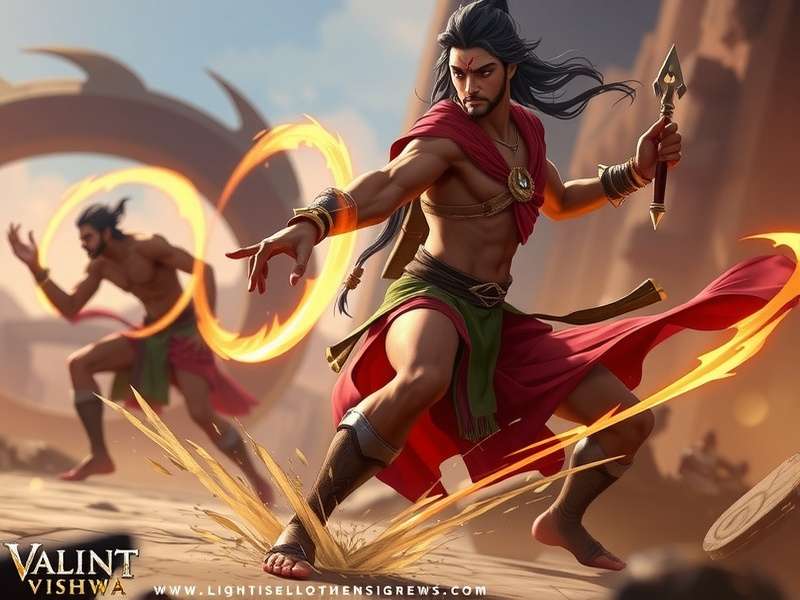
Players channel the power of Lord Shiva to unleash the Trishul Strike against a powerful demon lord in Valiant Vishwa Sacred Warrior.
The game features 32 major divine powers, each associated with a different Hindu deity or mythological artifact and unlocked by completing spiritual challenges and collecting sacred items. Each divine power has a unique visual style inspired by mythological iconography, and a special combat effect that reflects the deity’s domain:
- Shiva’s Trishul Strike (Lord Shiva): Summons a celestial trishul (trident) that pierces through multiple enemies, inspired by Lord Shiva’s weapon of destruction. The trishul is surrounded by divine flames, and the ability is accompanied by the sound of Shiva’s damru (drum). Perfect for dealing with groups of demons in open combat.
- Vishnu’s Sudarshan Chakra (Lord Vishnu): Unleashes a spinning divine discus that cuts through enemies and returns to the player, inspired by Lord Vishnu’s weapon of protection. The Sudarshan Chakra glows with celestial light, and the ability is accompanied by devotional chants. Ideal for long-range combat and taking down fast-moving enemies.
- Durga’s Shakti Shield (Goddess Durga): Creates a protective barrier of divine energy that deflects enemy attacks, inspired by Goddess Durga’s strength and protection. The shield features Durga’s lotus symbol, and the ability is accompanied by devotional hymns. Essential for defending against powerful demon attacks and protecting allies.
- Ganesha’s Obstacle Removal (Lord Ganesha): Clears all obstacles in the player’s path and grants temporary invincibility, inspired by Lord Ganesha’s role as the remover of obstacles. The ability creates a shower of flower petals, and it’s accompanied by Ganesha’s sacred mantra. Perfect for navigating difficult terrain and escaping dangerous situations.
- Saraswati’s Wisdom Boost (Goddess Saraswati): Enhances the player’s combat awareness and unlocks hidden weaknesses in enemies, inspired by Goddess Saraswati’s wisdom and knowledge. The ability creates a halo of light around the player, and it’s accompanied by the sound of Saraswati’s veena. Ideal for strategic combat and solving puzzles.
- Kali’s Destruction Wave (Goddess Kali): Unleashes a wave of divine energy that destroys all nearby enemies, inspired by Goddess Kali’s destructive power. The ability is accompanied by Kali’s battle cry and creates a swirling vortex of energy. Perfect for clearing large groups of demons and turning the tide of battle.
- Hanuman’s Strength Boost (Lord Hanuman): Grants superhuman strength and the ability to leap great distances, inspired by Lord Hanuman’s legendary strength and agility. The ability increases the player’s muscle mass and creates a red aura, and it’s accompanied by Hanuman’s mantra. Ideal for hand-to-hand combat and reaching high locations.
- Parvati’s Healing Aura (Goddess Parvati): Heals the player and nearby allies, and purifies any demonic corruption, inspired by Goddess Parvati’s nurturing nature. The ability creates a green aura of healing energy, and it’s accompanied by devotional songs. Essential for supporting allies in multiplayer mode and surviving tough battles.
- Indra’s Thunder Strike (Lord Indra): Summons a bolt of divine lightning that strikes a single target with devastating force, inspired by Lord Indra’s control over thunder and lightning. The ability creates a lightning bolt from the sky, and it’s accompanied by the sound of thunder. Perfect for taking down powerful demon lords and bosses.
- Surya’s Solar Flare (Lord Surya): Unleashes a burst of solar energy that blinds enemies and deals fire damage, inspired by Lord Surya’s solar power. The ability creates a bright flash of light, and it’s accompanied by the sound of a conch shell. Ideal for crowd control and creating opportunities for follow-up attacks.
- Chandra’s Lunar Blessing (Lord Chandra): Grants the player stealth abilities and enhances night vision, inspired by Lord Chandra’s connection to the moon and darkness. The ability creates a silvery aura around the player, and it’s accompanied by soft devotional music. Perfect for stealth missions and night combat.
- Agni’s Fireball Barrage (Lord Agni): Launches a series of fireballs that explode on impact, inspired by Lord Agni’s control over fire. The ability creates a trail of flames, and it’s accompanied by the crackling of fire. Ideal for area-of-effect damage and setting enemies on fire.
- Vayu’s Wind Gust (Lord Vayu): Creates a powerful gust of wind that knocks back enemies and clears obstacles, inspired by Lord Vayu’s control over air. The ability creates a swirling wind vortex, and it’s accompanied by the sound of rushing air. Perfect for creating distance from enemies and accessing hidden areas.
- Varuna’s Water Wave (Lord Varuna): Summons a wave of sacred water that purifies demons and heals allies, inspired by Lord Varuna’s control over water. The ability creates a wave of blue light, and it’s accompanied by the sound of flowing water. Ideal for purifying corrupted areas and supporting allies.
- Shakti’s Energy Flow (Divine Feminine Power): Enhances all of the player’s divine powers and grants unlimited spiritual energy for a short time, inspired by the universal feminine energy of Shakti. The ability creates a rainbow aura around the player, and it’s accompanied by a chorus of devotional voices. Perfect for tough boss battles and multiplayer raids.
To activate these divine powers, players must collect “Spiritual Essence” scattered throughout the levels. This essence is earned by performing righteous actions in the game, such as defeating demons with mercy, protecting innocent civilians, completing spiritual rituals, and solving mythological puzzles. The more righteous actions a player performs, the more powerful their divine powers become—each power can be upgraded three times, unlocking additional effects and longer durations, which is especially useful during epic battles against powerful demon lords where divine intervention can mean the difference between victory and defeat.
The game also features spiritual challenges that test the player’s knowledge of Hindu mythology, spiritual practices, and cultural traditions. These challenges are integrated seamlessly into the gameplay, appearing at key moments in the story mode and as optional side quests. Examples of spiritual challenges include:
- Answering questions about Hindu mythology (e.g., “Which weapon is associated with Lord Shiva?” or “Who is the consort of Lord Vishnu?”)
- Identifying Hindu deities and mythological artifacts (e.g., recognizing Lord Ganesha from his elephant head or identifying the Sudarshan Chakra)
- Performing spiritual rituals in the correct order (e.g., lighting a diya, offering flowers, and chanting mantras in the proper sequence)
- Replicating mythological events from the Ramayana and Mahabharata (e.g., recreating Lord Rama’s battle against Ravana or Arjuna’s archery test)
- Solving puzzles inspired by Vedic mathematics and ancient Indian wisdom (e.g., decoding Sanskrit inscriptions or solving numerical puzzles based on Vedic texts)
- Collecting sacred items and artifacts from Hindu mythology (e.g., finding a piece of Lord Krishna’s flute or a fragment of the Shivalinga)
Completing these challenges unlocks special divine powers, mythological artifacts, weapon skins, and story content that delve deeper into India’s mythological heritage. For example, completing all Shiva-themed challenges unlocks a special “Destroyer of Evil” skin for the player’s weapon, while completing all Vishnu-themed challenges unlocks a “Preserver of Dharma” achievement and a unique divine power that allows the player to resurrect fallen allies. These rewards not only enhance gameplay but also encourage players to learn more about India’s mythological heritage and spiritual traditions.
“India’s mythological heritage is a treasure trove of stories, wisdom, and spiritual insights that have inspired generations. Our ancient warriors were not just skilled in combat—they were also deeply spiritual beings who fought for dharma and righteousness. With Valiant Vishwa Sacred Warrior, we wanted to capture that essence and bring it to life through gameplay. The divine powers and spiritual challenges are designed to educate players about India’s mythological traditions while keeping the gameplay fun and engaging for desi audiences. We’ve made sure that every deity’s unique powers and attributes are represented with respect and authenticity—from the visual design and sound effects to the cultural context and spiritual significance. It’s not just a game; it’s a celebration of India’s rich mythological heritage and the timeless values of dharma, karma, and righteousness.” — Dr. Devaki Nandan Sharma, Mythology Advisor to Daman Games Studios
Epic Mythological Story Missions 📜
Valiant Vishwa Sacred Warrior goes beyond mere combat by incorporating a full-fledged epic mythological story mode that drives the gameplay and keeps players emotionally invested. The story follows the classic Indian mythological formula—complete with divine interventions, moral dilemmas, heroism, and spiritual growth—while celebrating India’s mythological heritage and the timeless values of dharma and righteousness. It’s a story that feels familiar yet fresh, with characters that Indian audiences can relate to and a plot that tugs at the heartstrings.
The story mode consists of 120 missions spread across ten chapters, each set in a different mythological or cultural region of India. Each mission advances the plot while introducing new gameplay mechanics, divine powers, and spiritual challenges. The missions are designed to be varied and engaging, with a mix of combat, puzzle-solving, exploration, and spiritual rituals. Some of the most popular story missions include:
- Divine Awakening: The player discovers their true identity as Valiant Vishwa, a reincarnation of an ancient sacred warrior chosen by the gods to defeat the forces of evil. This opening mission introduces the player to the game’s combat mechanics and sets the stage for the epic journey ahead. The mission takes place in a small village in the Himalayan foothills, where the player must defend innocent villagers from a demonic attack and awaken their dormant divine powers.
- Quest for the Sacred Amulet: The player embarks on a journey to find a sacred amulet that can restore balance to the cosmos. This mission takes the player through the ancient temples of Khajuraho, where they must solve puzzles based on temple carvings, battle guardian spirits, and overcome moral dilemmas that test their commitment to dharma. The mission features stunning visuals of the Khajuraho temples and introduces the player to the game’s puzzle-solving mechanics.
- Battle at the Ganges Ghat: The player travels to Varanasi to purify the Ganges River, which has been corrupted by demonic forces. This mission requires the player to perform spiritual rituals, battle powerful water demons, and protect pilgrims from harm. The mission features dynamic water physics and divine powers that are enhanced by the sacred energy of the Ganges.
- Rescue of the Divine Relic: The player must infiltrate a demonic stronghold to rescue a sacred relic that has been stolen from the Meenakshi Temple in Madurai. This mission requires stealth, strategic combat, and puzzle-solving, as the player navigates through the demon’s fortress and battles powerful guardians. The mission features intricate level design inspired by South Indian temple architecture.
- Confrontation with the Demon Lord: The player faces off against a powerful demon lord who seeks to plunge the world into darkness. This epic boss battle takes place in a mythical realm between heaven and earth, featuring massive environmental effects, divine interventions, and cinematic combat sequences. The mission tests the player’s mastery of all combat styles and divine powers, requiring strategic thinking and quick reflexes.
- Spiritual Pilgrimage: The player undertakes a spiritual pilgrimage across India, visiting sacred sites and performing rituals to gain the favor of the gods. This mission series features a variety of cultural and mythological locations, from the Ajanta and Ellora Caves to the Konark Sun Temple, and introduces the player to different regional traditions and spiritual practices. The mission includes devotional sequences where the player can chant mantras and perform aarti to earn spiritual buffs.
Each story mission features cinematic cutscenes with dramatic dialogue, emotional moments, and stunning visuals. The cutscenes are rendered in real-time using the game’s engine, ensuring a seamless transition between gameplay and story. The voice acting is top-notch, with talented Indian voice actors bringing the characters to life with authentic accents and emotional performances. The dialogue is written in Indian English with occasional Sanskrit and regional language phrases, making it feel natural and relatable to Indian audiences.
🎶 Mythological Music and Sound Design in Valiant Vishwa Sacred Warrior
The game features collaborations with some of India’s most renowned musicians and vocalists, making the audio experience truly unforgettable. The title track, “Valiant Vishwa,” was composed by A.R. Rahman and sung by Shankar Mahadevan and Shreya Ghoshal, and it has become a chartbuster in its own right. Each regional mission has its own folk-inspired devotional music, and the story mode includes fifteen full-fledged devotional sequences where players can participate in aarti, bhajan, and kirtan to earn spiritual buffs.
Some of the standout musical moments include:
- “Divine Warrior” – A devotional anthem that plays during the game’s opening sequence, featuring traditional Indian instruments like the sitar, tabla, and veena, and a rousing chorus of devotional singers.
- “Dharma Yuddha” – A high-energy martial track that plays during epic battles, with lyrics based on Vedic hymns and traditional war chants.
- “Shiva Tandava” – A powerful instrumental piece inspired by the Tandava dance of Lord Shiva, featuring drums and brass instruments that build to a crescendo during intense combat sequences.
- “Bhakti Geet” – A melodious devotional song that plays during spiritual sequences, featuring the voice of K.J. Yesudas and traditional bhajan instruments.
- “Victory of Dharma” – A triumphant track that plays after completing major missions, featuring devotional chants and a full orchestra.
The sound design is equally impressive, with authentic sounds of traditional Indian weapons, devotional instruments, and regional dialects that enhance the immersive experience. The game features 3D spatial audio that allows players to hear the direction of enemy attacks and divine interventions, creating a truly immersive soundscape that draws players deeper into the mythological world of Valiant Vishwa Sacred Warrior.
Multiplayer Modes: Team-Based Mythological Combat
Val